
The Price of Silence: Systemic Child Abuse and Institutional Failure in Bangladesh’s Residential Qawmi Madrasas
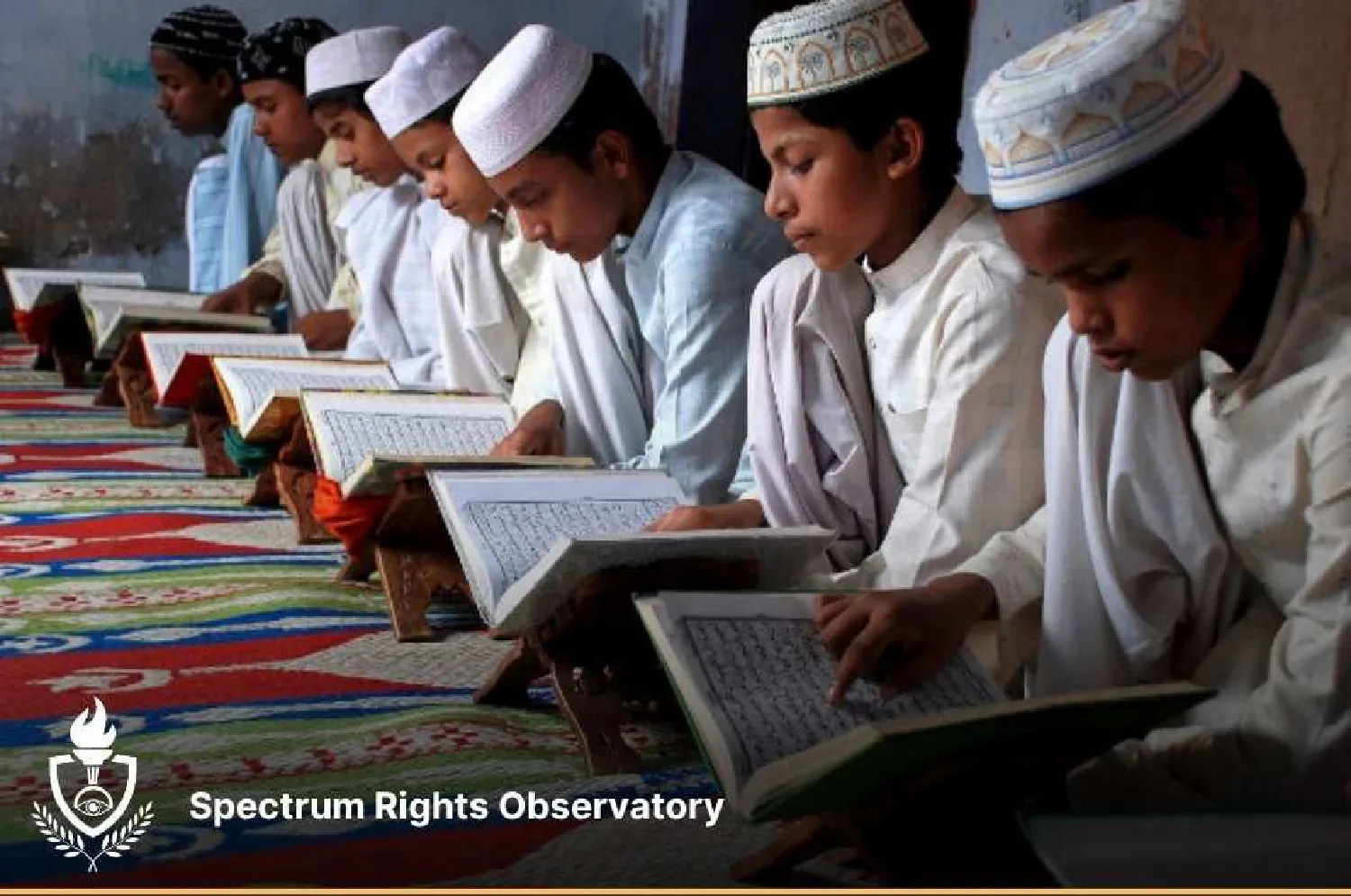
Residential Qawmi madrasas accommodate thousands of children, including very young boys, under the complete authority of teachers and administrators. For many families, these institutions are places of religious education and moral formation. However, when children live and study in environments where independent safeguarding mechanisms are weak or absent, abuse can remain hidden for long periods.
Reports from Bangladesh show a disturbing pattern of sexual abuse, rape, severe physical torture, and even deaths resulting from violence against madrasa students. These are not isolated incidents of misconduct, but systemic failures that demand urgent action on child protection, institutional accountability, and strong independent reporting mechanisms.
A Disturbing Pattern of Abuse
Recent cases reported by mainstream news outlets illustrate the seriousness of the problem
- Savar Incident: A 7-year-old madrasa student was sexually abused over a prolonged period. According to reports, the child was initially targeted by senior students of the same madrasah and then abused by a teacher whom he had approached for protection. The involvement of both students and staff underscores a complete failure of oversight, illustrating how systemic abuse can persist within a residential madrasa despite the presence of adults responsible for student safety.
- Narail Incident: Syed Sulaiman Islam, a 14-year-old student at Markazul Quran Madrasa, died while being rushed to the hospital after his family reported he had been severely beaten and tortured by teachers. Police have since detained three teachers for questioning.
These cases demonstrate why corporal punishment in residential madrasas cannot be dismissed as merely a matter of “discipline.” When adults entrusted with children’s care inflict violence, the issue becomes one of child protection and criminal accountability. Other recent documented cases include allegations of sexual assault, severe physical torture by teachers, and deaths resulting from abuse. Taken together, these incidents indicate a safeguarding crisis that demands systematic investigation and institutional reform, rather than isolated responses.
What the Awaz.bd Data Reveals
Emerging data from Awaz.bd, a Bangladeshi platform allowing survivors to anonymously document childhood sexual abuse, provides another crucial warning signal. As of recent reporting, they received 132 anonymous accounts of childhood sexual abuse. Religious and educational institutions accounted for 35% of reported locations.
Within this category, Qawmi madrasas recorded the highest number with 23 accounts, representing roughly half of all reports involving religious or educational institutions (followed by schools at, mosques at 7, universities and Alia madrasas at 3 each, and colleges and temples at 1 each).
Additionally, monitoring by JusticeMakers Bangladesh in France (JMBF) documented 88 incidents of sexual violence connected to madrasas during the first eight months of 2026, further highlighting the urgent need for systemic oversight and child protection reforms.
Why Residential Institutions Create Particular Risks
Residential madrasas create conditions where children become heavily dependent on teachers and senior students. A young child may eat, sleep, study, and spend almost all their time inside the institution with limited opportunity to speak privately with parents, trusted adults or access safe spaces outside.
This environment generates several severe risks
- Children remain entirely dependent on the very individuals they need to report.
- Perpetrators exploit their position of trust and religious authority to enforce silence and compliance.
- Senior students holding unmonitored power frequently abuse younger, highly vulnerable children.
- Complaints are frequently handled internally to protect institutional reputation rather than turned over to law enforcement.
- Severe physical violence is often rationalized as moral guidance, masking criminal abuse as routine discipline.
Parents are frequently kept unaware of daily institutional life. In some cases, families are conditioned to view severe physical hardship and strictness as necessary, noble components of moral discipline and religious character-building, obscuring the line between education and severe abuse. Consequently, children may fear punishment or humiliation if they complain.
When Silence Protects the Institution Instead of the Child
One of the most dangerous aspects of child abuse is institutional silence. In numerous documented cases, allegations are handled through internal hearings, informal settlements, or direct intimidation to discourage disclosure.
Worse still, there have been reports of religious arguments being invoked to conceal wrongdoing. In one case, a madrasa authority reportedly cited religious teachings about concealing the faults of another Muslim to suppress complaints. Such statements are deeply troubling when used to obstruct justice.
Religious teachings concerning forgiveness, privacy, or protecting honor must never be interpreted as a justification for concealing sexual abuse or serious violence against a child. A child’s safety and bodily integrity must always take precedence over an institution’s reputation.
Religious Expectations Must Never Override Child Protection
For many families, sending a child to a Hifz or residential madrasa is driven not only by spiritual hopes, but also by acute economic realities and aspirations for upward social mobility.
In low-income and rural communities, residential madrasas function as a critical social safety net, offering free food, housing, and basic care that state welfare fails to provide. Beyond basic survival, many parents view a religious education as a guaranteed career path. Seeing the financial success, public influence, and substantial earnings achieved by prominent professional Islamic speakers (WazMahfil preachers), families often view training in a madrasa as one of the few accessible avenues toward economic stability and community prestige.
However, severe concern arises when these economic dependencies, financial ambitions, or spiritual expectations are leveraged by institutions to persuade parents to overlook a child’s suffering, harsh physical punishment, or unsafe living conditions.
No child should have to endure violence, fear, humiliation, or sexual abuse in order to become a Hafiz. A child is a human being with fundamental rights, dignity, and bodily autonomy.
Children Are Not the Property of Parents or Institutions
The protection of children cannot depend entirely on what adults decide is best for them. While parents play a vital role in education, a child is not the property of their parents, teachers, or any religious institution. Parental choice can never justify violating a child’s fundamental rights.
Religious education must never come at the expense of a child’s safety, dignity, and freedom from abuse. Because no educational, economic, or religious objective can justify these violations, the state holds an imperative duty to enforce independent child protection standards and legal accountability across all residential institutions.
This Is a Safeguarding Failure
Every residential madrasa should be legally required to implement
Statutory Child Protection and Institutional Reform Framework
To guarantee child safety, bodily integrity, and equal protection under the law, every residential educational institution—including Qawmi, Alia, Hifz, and affiliated orphanages—must be legally required to implement a binding Statutory Child Safeguarding Code:
- Independent Safeguarding Mechanisms: Establish internal protection units structurally independent of the madrasa’s executive administration, incorporating certified child welfare officers and neutral community advocates.
- Mandatory Statutory Reporting: Require immediate disclosure of suspected sexual abuse or severe violence to law enforcement within 24 hours, imposing personal criminal liability on administrators who attempt internal mediation or concealment.
- Absolute Ban on Corporal Punishment: Enforce a strict, legally binding prohibition against all forms of corporal punishment, physical confinement, and verbal humiliation.
- Staff Vetting and Mandatory Training: Implement mandatory background checks, character verification, and standardized child protection training for all teaching staff, residential wardens, and administrative employees.
- Confidential Reporting Channels: Provide children with unmonitored access to external reporting tools, including dedicated toll-free helplines (such as the national 1098 hotline) and private visits with independent social workers.
- Unannounced External Inspections: Grant District Child Protection Committees (DCPCs) under the Department of Social Services full legal authority to conduct unannounced inspections of residential quarters, dining facilities, and classrooms.
- Transparent Infrastructure Monitoring: Mandate functional CCTV coverage in common entrances, corridors, and assembly areas to deter misconduct while strictly preserving privacy in sleeping and sanitation quarters.
- Unhindered Parental and Legal Access: Guarantee parents, guardians, and legal advocates immediate, unmonitored access to speak privately with children and investigate safety concerns.
- Mandatory Administrative Suspension: Enforce immediate administrative suspension and removal from premises for any staff member or senior student under active police investigation for abuse.
- Unified National Regulatory Umbrella: Enact a single, binding national child protection framework covering all residential religious educational facilities across Bangladesh, ensuring no institution operates outside state oversight.
Recent allegations of sexual abuse, severe violence, and deaths demonstrate that this issue can no longer be treated as a collection of isolated incidents. The core problem lies in the combination of concentrated authority, residential isolation, weak independent oversight, and institutional pressures that allow abuse to remain hidden.
Sources
- The Daily Star, “10 sued over sexual abuse of 7-year-old madrasa student,” 2 September 2026.
- The Daily Star, “Savar madrasa raided over alleged sexual abuse of 7-year-old; none of 10 accused arrested,” 3 September 2026.
- The Daily Star, “One arrested over alleged rape of 7-year-old madrasa student in Savar,” 4 September 2026.
- Prothom Alo English, “Seven-year-old boy sexually abused for six months in Savar,” 6 September 2026.
- The Business Standard / The Financial Express, “Madrasha student dies in Narail, father alleges torture,” September 2026.
- Awaz.bd / Dhaka Tribune, “Most child abuse reports on Awaz.bd involve known perpetrators,” September 2026.
- Prothom Alo English, “45 accounts of childhood sexual abuse shared on new platform in 24 hours,” September 2026.
- JusticeMakers Bangladesh in France (JMBF), “Monitoring Report on Sexual Violence Against Boy Children During the First Eight Months of 2026,” September 2026.
- The Daily Star, “Abuse behind the closed doors of madrasas.”
- The Daily Star, “Form sexual harassment committees in all madrasas,” 7 May 2026.
- The Daily Star, “Madrasa suspends teacher after sexual abuse allegations surface,” 22 May 2026.
- The Daily Star, “Stop the rape of our children,” 14 May 2026.
- The Daily Star, “To protect our children from sexual abuse, we must first know its true scale,” 2026.
- The Daily Star, “Madrasa teacher remanded over rape of student,” 1 August 2025.
- Prothom Alo English, “Case filed against madrasa teacher as 11-year-old rape victim found pregnant,” 4 May 2026.
- Institute for Secular Human Rights (ISHR), “Bangladesh: Endangered Childhood,” 28 May 2026.